What Happens When a Fear Becomes a Phobia?
Phobias
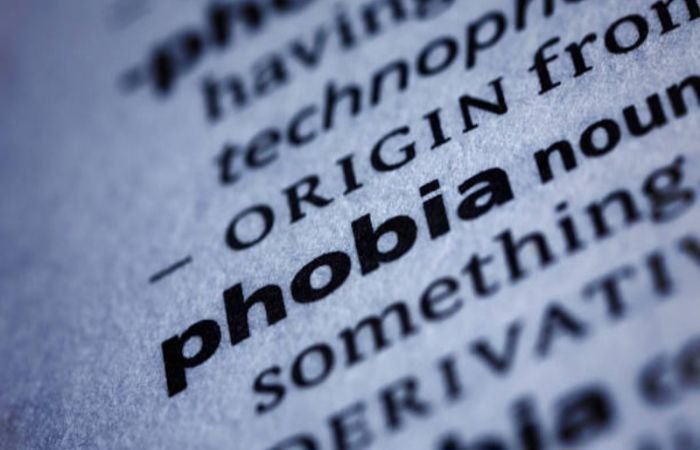
You have absolutely heard of phobia, the intense and irrational fear that can make an ordinary situation feel terrifying. It is a type of anxiety in which a person has an overwhelming fear of a particular object, animal, place, or situation, even when there is little or no real danger. Unlike normal fear, a phobia can be difficult to control and may cause someone to avoid the thing they are afraid of.
🔍What causes phobias?
- A frightening experience: A person may develop a phobia after experiencing something frightening or unpleasant.
- Learning from others: Sometimes, people can develop a fear by seeing someone else reacting fearfully to something.
- Genetics: Some people may be more likely to develop phobias because anxiety-related tendencies can run in families.
- The brain’s response to fear: The brain can learn to associate something with danger, even when there is no real danger.
😰Some wierd types of phobias
- Scopophobia: an intense fear of being watched, stared at, or judged by other people. For example, someone may feel extremely anxious when they have to stand in front of a lot of people in a theater or on a stage.
- Claustrophobia: an intense fear of being in a small or enclosed space. A crowded bus can sometimes trigger this fear, especially when the person feels trapped or unable to escape.
- Thanatophobia: an intense fear of death or dying.
🧠⚡How does a phobia work?
When a person with a phobia encounters what they fear, their brain can send signals of danger, telling the body that it is in danger. This activates the body's fight-or-flight response, so the body reacts even when there is no actual danger. This reaction can cause different physical and emotional symptoms, such as:
- Rapid or difficult breathing
- Sweating
- A racing heartbeat
- Trembling or shaking
- Dizziness
- Nausea
- Anxiety or panic
- Feeling tense or overwhelmed
So, although the danger may not be real, the body's reaction can feel very real to the person experiencing the phobia .